Psychologist access in Lithuania: easier for the high earners, a struggle for seniors
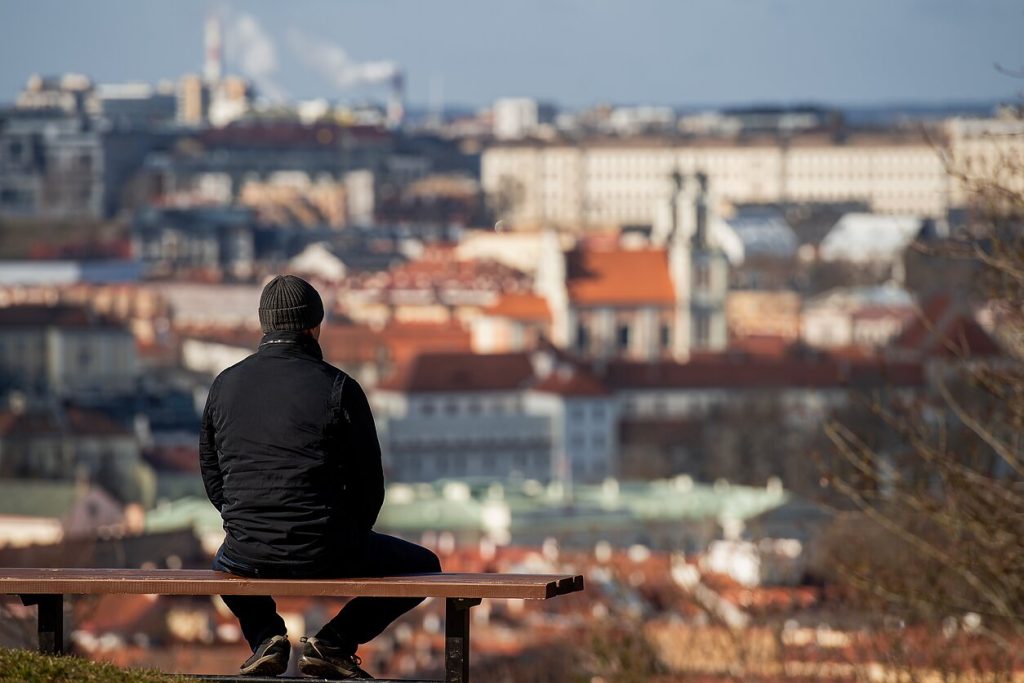
A survey conducted by Baltijos tyrimai for LRT.lt shows that 40% of Lithuanian residents believe psychological services are hard to access due to long waiting lists. Meanwhile, mental-health experts say the greater problem is continuity of care: a few free consultations are rarely enough to resolve deeper issues.
The representative survey was carried out by Baltijos tyrimai, a joint Lithuanian–UK market and public-opinion research company, between October 16 and 28, 2025. Respondents were asked whether psychological services were readily accessible in their area, whether people had to wait in queues, or whether no such services existed at all in their town or district.
A total of 1,019 Lithuanians aged 18 and above were interviewed. The findings reflect the opinions of the adult population by gender, age and type of settlement. Interviews were conducted in respondents’ homes.
Services are available, but queues are expected
The results show that four in ten Lithuanians believe psychological services are available where they live, but only after waiting in line. One in five said access is easy and provision is sufficient. A significant proportion – 37% – either did not answer or said they lacked information.
4% stated that no such services were available in their town or district.
The largest share of respondents – 40% – said they face waiting times for psychological services. This was reported more often by people aged 30 to 64, by women rather than men, and by those living in smaller towns.
“Psychological services are easily accessible” was chosen more often by people under 50, city dwellers, those with higher education and those with the highest household incomes (above €2,000 per month).

A notable share (37%) lacked information. Men gave this answer more often than women. Those most often unaware of service availability were people over 65 living in rural areas, as well as respondents with the lowest household incomes (up to €1,200 per month).
Those saying services were not provided locally were more likely to live in villages or smaller towns.
Higher earners can afford to pay
Speaking to LRT.lt, mental-health and human-rights expert Karilė Levickaitė, Director of the NGO Psichikos sveikatos perspektyvos (Mental Health Perspectives), said higher-income residents can afford to pay for private services, which may be difficult for people on lower wages.
“We see that those with higher incomes say there are no queues and that access is good. Here we must consider another aspect: are they more aware of access simply because they are more informed and know where to look for help, or is it because they can afford to pay for private support?” she said.
She also notes that many people do not clearly distinguish between a psychologist and a psychotherapist – the latter being a service urban residents often choose to pay for.
“The line between psychological and psychotherapeutic support is not entirely clear. Many people – especially in larger cities and among higher-income groups – seek psychotherapeutic help, which is predominantly private and fee-based. There they receive continuous, in-depth assistance aimed at personal change. This type of help is available mainly in the private sector,” she added.
Seniors are excluded from digital information
Vytautas Magnus University (VMU) associate professor Visvaldas Legkauskas agrees, noting that residents of major cities – especially Vilnius and Kaunas – frequently choose paid psychological or psychotherapeutic services.
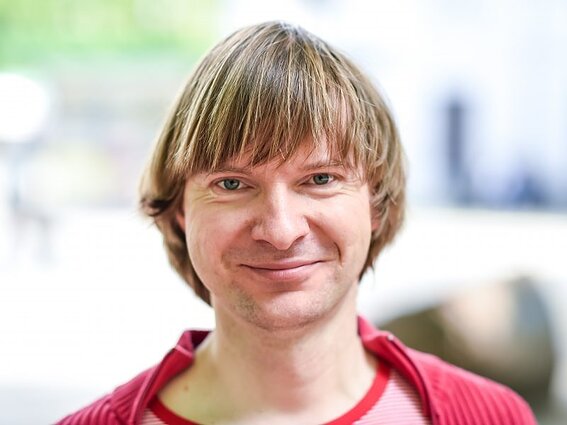
He highlights the group lacking information about service availability: older people and rural residents. According to the survey, those over 65 and those living in villages were the most likely to be unaware of the services on offer. Legkauskas says this stems from a wider shift towards digital-only communication.
“This tells us something important: we have a significant problem of discrimination against older people in society. It is fairly entrenched. Many older individuals cannot, for various reasons, use social media or the internet, and when services – or information about them – are made available only online, we exclude them. In such cases, family doctors should step in: if they see a patient who might benefit from psychological support, they should inform them about the services available,” he said.
Even so, he notes that psychological services in Lithuania are available almost everywhere.
“In European terms, we are doing reasonably well. In many countries wealthier than Lithuania, access to these services is far worse. Access is limited; of course, we would like shorter waiting times, but services being entirely unavailable? I am not aware of such cases. A mental-health centre may be some distance away, and a very small town may not have one, but the wider district almost certainly will,” he said.
A small-town problem: the specialist may be someone you know
Discussing waiting lists, Levickaitė highlights an issue affecting residents of smaller communities.
“In small towns you may have only one or two psychologists who work in the mental-health centre, an NGO and the public health bureau. It may well be that the specialist is someone you know. This is a typical small-community phenomenon and can become a barrier to seeking help. The specialists exist, but there may be only one or two across various institutions,” she said.
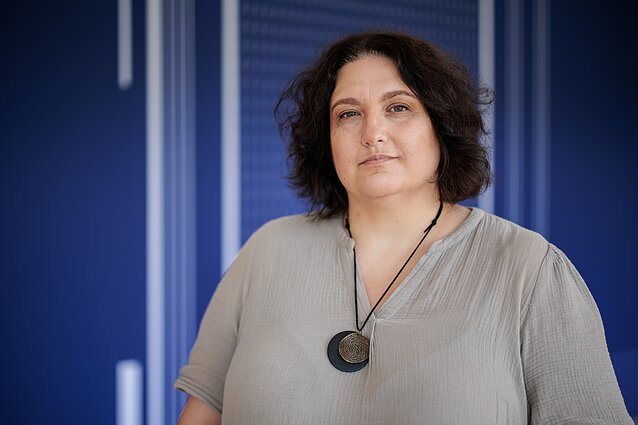
Levickaitė also points to the problem of continuity. In her view, a few free sessions are often not enough, and frequently changing psychologists is no solution.
“The question arises when ongoing psychological or psychotherapeutic support is needed. Six or ten sessions may not be sufficient. Are we really saying that three visits will solve the problem? Sometimes they do, but such cases are rare. Many situations require more than a handful of consultations. That’s where the difficulties begin. There is no structure that provides long-term, continuous psychological or psychotherapeutic support […] When it comes to psychological help, it is very difficult to change specialists because the relationship and therapeutic continuity matter greatly,” she said.
Health Ministry: psychological support is available to everyone
Although 4% of respondents said psychological services were not provided where they live, the Ministry of Health maintains that anyone registered with a family doctor is also entitled to services from a mental-health centre.
“All residents have a family doctor and all are registered with a mental-health centre, so everyone has the right to receive services. Lack of awareness may arise simply because there has been no need, or because family doctors do not explain what help is available […]

If no psychologist is available locally, there is still an alternative: mental-health centres provide remote consultations. People can contact both psychologists and psychiatrists online.
Family doctors can also treat mild mental-health conditions such as anxiety, mild depression and mild addictions,” said Marija Oleškevičienė, adviser at the Health ministry’s mental-health division.
She notes that everyone can receive up to six free consultations at public-health bureaus or join group sessions.
“These bureaus operate in every municipality – 49 in total – covering the whole of Lithuania. If a person does not need a psychologist but is facing a difficult life situation, emotional-wellbeing consultants are available. They have slightly lower qualifications, but their support is no less effective. At a mental-health centre, people receive psychological consultations according to their needs,” Oleškevičienė said.